Featured
Table of Contents
With Chapter 13 personal bankruptcy, you get in into a three- to five-year payment agreement and need to meet the repayment strategy before any debt is forgiven. Liberty Debt Relief can work out financial obligation settlement in your place if you choose this is the best approach. Typically, you make a monthly deposit into a devoted account (that you own and manage).
As soon as the lender has accepted a settlement and you approve it, payment is made from your devoted account. When the terms of the arrangement are satisfied, the financial obligation is behind you and you do not have to stress over it once again. Financial obligation relief programs make financial obligation reward simpler, however you need to certify to take part.
Unsecured debt: Lenders do not typically settle protected debt (financial obligation for which there is security ensuring the loan). As an outcome, your debt needs to be unsecured to participate in the majority of expert debt relief programs. Evidence of monetary challenge: You should be dealing with obstacles paying your bills, and may need proof of financial hardship, such as proof of a job loss or earnings reduction.
Stable income: You require to be able to manage to pay something towards your debt monthly. Financial obligation settlement can't remove your debts completely. is a professional financial obligation relief program that could make it easier for you to deal with your debts. You can connect to get a totally free debt assessment to discover if you certify for the Liberty Debt Relief program.

Should You Petition for Relief in 2026?
Lenders may concur to debt settlement (accepting less than the overall quantity owed, but counting it as payment in complete) if you can pay them a lump-sum quantity instantly. Flexibility Financial obligation Relief negotiates with lenders on your behalf.
You can and ought to keep reserving cash every month during this procedure, though. Put the cash into a special account that's just for financial obligation settlement offers. An expert debt settlement program typically takes 2 to four years to finish, and the majority of people settle their first financial obligation within a few months after signing up with.
That's a clever option, since financial obligation relief business have relationships with creditors and understand the reasons lenders settleand the quantity creditors are typically happy to accept. Throughout the settlement process, you offer proof of financial hardship when possible, such as revealing that you were laid off or had a medical problem making it impossible to earn enough to repay your debt.
There are risks and disadvantages of debt settlement. Your credit rating takes a hit if you stop making payments. The amount you choose differs based upon lots of elements, including how old the financial obligation is, just how much you owe, the nature of your financial challenge, and how successfully you (or your financial obligation settlement company) work out.
Top Benefits of Choosing Credit Counseling in 2026
However, your specific situations determine your repayment amount. Getting rid of your financial obligation can be a long and difficult roadway, and the wins along the method deserve celebrating. Develop periodic turning points, like working through 10% of the debt. As soon as you hit that objective, reward yourself by utilizing some of your discretionary income (after paying your minimum regular monthly payments) with something like a good supper out, or a purchase you've wanted to make.
Navigating the New Insolvency FilingYou have options for ending up being totally free of your debt, consisting of paying extra using the snowball or avalanche techniques, consolidating debt, doing a balance transfer, or dealing with a financial obligation settlement company to get relief. To make certain you remain on track, create a 2026 debt-freedom timeline so you can track turning points, procedure development, and stay encouraged.
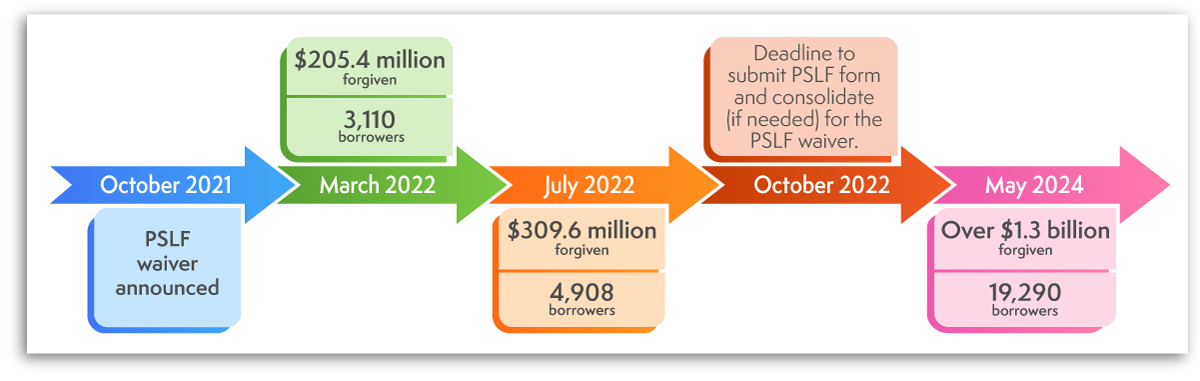
Even with modifications, making a timeline can go a long method towards keeping you on track. As you make your timeline: Establish essential turning points to keep an eye on and celebrate development, such as settling $500 or $1,000, or paying off a specific percentage of your financial obligation by a particular date. Consider different factors throughout the year that could affect your payoff, such as getting a tax refund or work perk you might put towards debtor planning for vacations that could cost you money and trigger a pause in additional payments for a short time.
It might be affordable to settle $1,000 or perhaps $5,000 or even $10,000 in debt by 2026 depending upon your earnings, however it's also fine to require a little longer if you owe more than you can fairly settle in a year. Once you make your timeline, stay with it.
Ending Illegal Creditor Collector Harassment in 2026
People similar to you are looking for.
The downfall of FTX marked among the most elaborate cross-border insolvencies in current memory. As the 3rd largest cryptocurrency exchange worldwide, FTX's liquidation in the Bahamas involved over 45,000 lenders, with claims exceeding $1 billion being settled with interest in less than three years. This remarkable result was enabled by an unmatched worldwide settlement agreement, harmonising the Bahamian insolvency procedure (UK typical law) with the US Chapter 11 bankruptcy procedure.
Achieving this outcome needed a diverse, cross-functional group knowledgeable in cross-border insolvency, asset recovery, forensics, data, innovation, and cryptocurrency. Leveraging innovative technologies and AI, our innovative new techniques were used to adjudicate and settle claims throughout 150 regions The FTX Digital case exhibits how our worldwide network can unify to provide successful outcomes.
October 2025 marked a significant milestone in the winding down of Lehman Brothers' UK operations, as the High Court authorized a key action in concluding a 17-year insolvency procedure. When the world's fourth largest financial investment bank, Lehman Brothers' collapse resulted in among the most intricate and effective cross-border insolvencies in history.
These cases have actually set brand-new precedents in areas such as cross-border claims, the priority of subordinated claims, the definition and treatment of client money, and the close-out and valuation of derivatives. The lessons from the Lehman administration have reshaped the legislative and regulatory framework for dealing with stopping working financial institutions, particularly where speed, market stability and security of customer assets are paramount.
Comparing Debt Management Versus Bankruptcy for 2026
Throughout the Lehman UK administrations, substantial payments have actually been made: 17.7 billion to unsecured financial institutions, consisting of full statutory interest, surpassing 100p in 1. 2.2 billion to the holder of subordinated financial obligation, covering principal and statutory interest. 552 million dispersed as equity to group shareholders. 23 billion in custodied securities, financial investments, and associated cash went back to clients.
Mr Justice Hildyard mentioned on the administration's "remarkeble success," noting its uniqueness and the "seminal moment" of the LBIE administration's closure. This achievement marks a substantial turning point in among the most intricate and successful insolvencies in UK corporate history, closing an essential chapter in resolving the most prominent collapse of the 2008 global monetary crisis.
In 2025, business flooded the insolvency courts. From unanticipated free falls to carefully planned tactical restructurings, business personal bankruptcy filings reached levels not seen since the after-effects of the Great Economic downturn. Unlike previous slumps, which were focused in specific markets, this wave cut across almost every corner of the economy. According to S&P Global Market Intelligence, insolvency filings amongst big public and private business reached 717 through November 2025, going beyond 2024's total of 687.

Latest Posts

Official Federal Debt Relief Initiatives in 2026
Choosing Between Bankruptcy and Debt Settlement Options

Selecting Reliable Debt Settlement Services in 2026